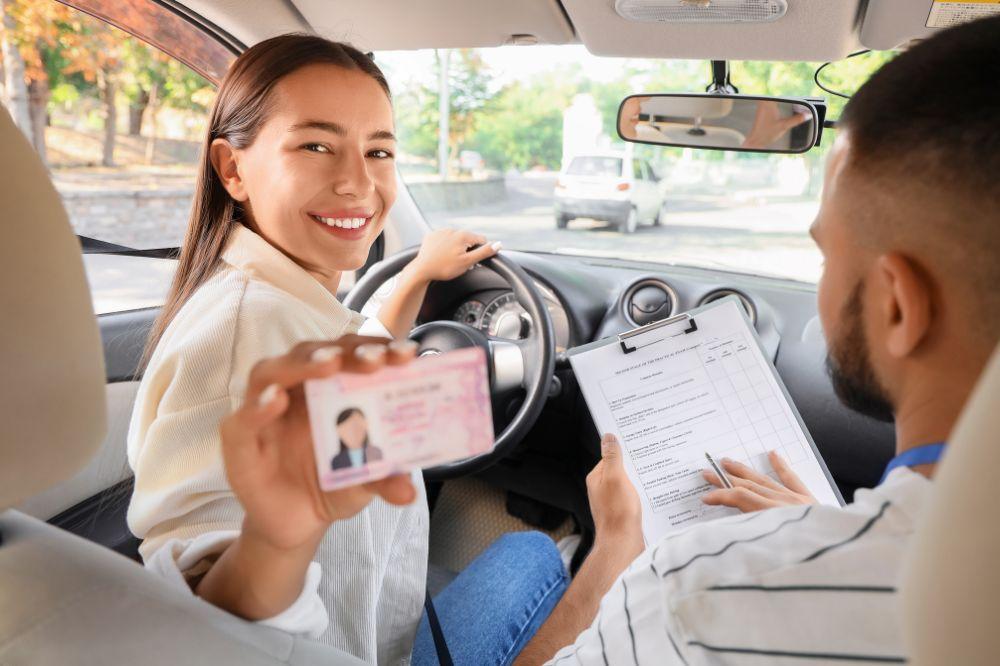
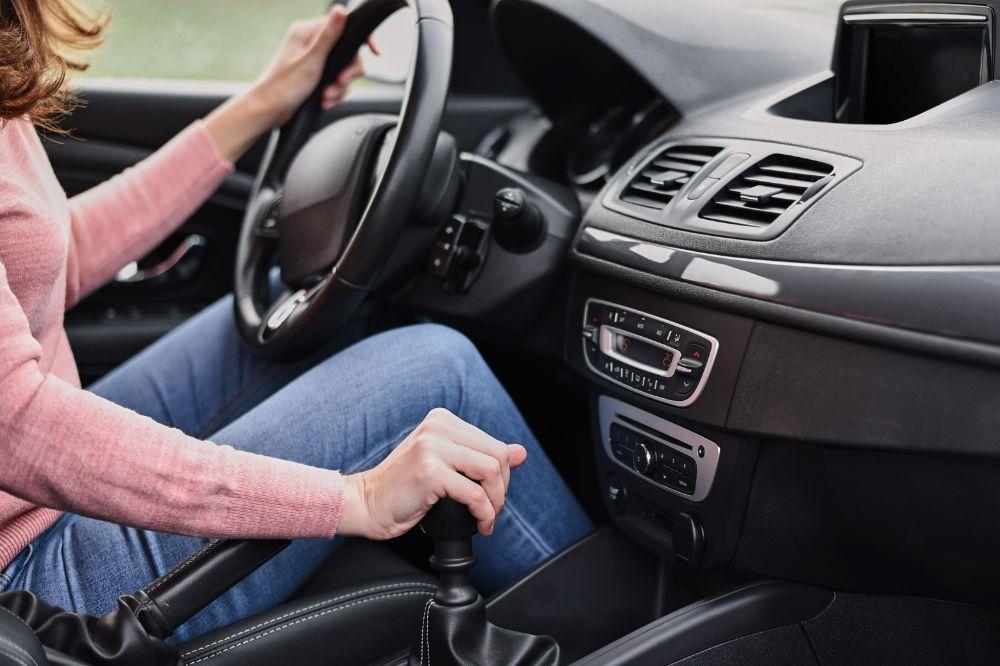
Learning how to drive a manual car in Australia can feel intimidating at first, but once you understand the basics, it becomes second nature. Many learners still prefer manual vehicles because they offer better control, improved fuel efficiency, and the flexibility to drive both manual and automatic cars with the same licence.
If you’re just starting out, this guide will walk you through everything you need to know, from clutch control to gear changing tips, so you can confidently begin your journey.
Why Learn Manual Driving in Australia?
Although automatic cars are becoming more common, learning manual driving is still a valuable skill. In Australia, passing your driving test in a manual car allows you to legally drive both manual and automatic vehicles, giving you more flexibility.
Plus, manual cars provide better control over speed and power, especially on hills or rough terrain.
Understanding the Basics of a Manual Car
Before you start driving, it’s important to understand the three main pedals:
Clutch (left pedal): Disconnects the engine from the wheels when pressed
Brake (middle pedal): Slows or stops the car
Accelerator (right pedal): Controls speed
The gear stick is used to select different gears, usually from 1 to 5 (or 6), plus reverse.
Step-by-Step Guide to Driving a Manual Car
1. Start the Car
Press the clutch fully down
Make sure the car is in neutral
Turn the ignition on
2. Find the Biting Point
The “biting point” is when the car starts to move as you slowly release the clutch.
Slowly lift the clutch pedal
Feel the car begin to move slightly
Hold it steady
This is the foundation of clutch control in Australia, and mastering it is key to smooth driving. Controlling the clutch carefully allows gradual power transfer from the engine to the wheels
3. Move Off Smoothly
Once you find the biting point, gently press the accelerator
Slowly release the clutch fully
The car will begin moving forward
Tip: Always release the clutch gently, small movements can make a big difference
4. Changing Gears
As your speed increases, you’ll need to change gears:
Release the accelerator
Press the clutch fully
Shift to the next gear
Slowly release the clutch
Gently press the accelerator again
Practising these gear changing tips will help you drive more smoothly and avoid jerky movements.
5. Slowing Down and Stopping
Release the accelerator
Press the brake
Press the clutch before stopping completely
Shift to neutral
This prevents the engine from stalling.
6. Master Hill Starts
Hill starts can be tricky for beginners.
Use the handbrake to prevent rolling back
Find the biting point
Slowly release the handbrake while accelerating
This technique helps maintain control and prevents rollback.
Common Mistakes Beginners Make
When learning how to drive a manual car in Australia, avoid these common errors:
Releasing the clutch too quickly (causes stalling)
Riding the clutch (can damage it over time)
Forgetting to downshift when slowing
Using too much accelerator
Practising regularly will help you eliminate these mistakes.
Tips to Learn Manual Driving Faster
Practice in quiet areas before driving in traffic
Focus on smooth clutch and accelerator coordination
Stay calm, stalling is normal when learning
Take professional manual transmission driving lessons for faster progress
Learn to Drive Manual in Australia with Confidence
If you’re serious about learning, getting guidance from a professional driving instructor can make a huge difference. Structured manual driving lessons in Australia, helps you build confidence and develop safe driving habits from the start.
Find a manual-car driving instructor near you:
Whether you’re a complete beginner or looking to refine your skills, platforms like ACOFEL make it easy to connect with experienced instructors across Australia.
Final Thoughts
Learning how to drive a manual car in Australia may seem challenging at first, but with practice and the right guidance, it becomes a valuable lifelong skill. From mastering clutch control to perfecting gear changes, every step brings you closer to confident driving.
Take your time, stay patient, and don’t hesitate to seek professional help when needed. Before you know it, you’ll be driving smoothly and confidently on Australian roads.
Frequently Asked Questions
1. How long does it take to learn manual driving in Australia?
The time taken to learn manual driving varies from person to person. On average, most learners need between 10 to 20 hours of practice to feel confident with basic skills like clutch control and gear changes. Taking professional manual driving lessons in Australia can help speed up the learning process.
2. Is it better to learn manual or automatic in Australia?
Learning manual driving gives you more flexibility because you can drive manual as well as automatic cars with the same licence. While automatic cars are easier to learn, manual driving offers better control and can be useful in different driving conditions.
3. What is clutch control and why is it important?
Clutch control refers to how you manage the clutch pedal to smoothly engage and disengage the engine from the wheels. It is essential for starting the car, changing gears, and driving slowly without stalling, especially in traffic or on hills.
4. Why does my manual car stall frequently?
Stalling usually happens when a leader release the clutch too quickly or without enough acceleration. Beginners often face this issue while learning how to drive a manual car in Australia. With practice, you’ll learn to balance the clutch and accelerator smoothly.
5. Can I learn manual driving without an instructor?
Yes, you can learn with a supervising driver, but taking professional manual transmission driving lessons is highly recommended. Instructors provide structured guidance, correct mistakes early, and help you build confidence faster.
6. How do I find a manual driving instructor in Australia?
You can easily find qualified instructors online through platforms like ACOFEL. You can compare instructors, check reviews, and book manual driving lessons in Australia based on your location and schedule.