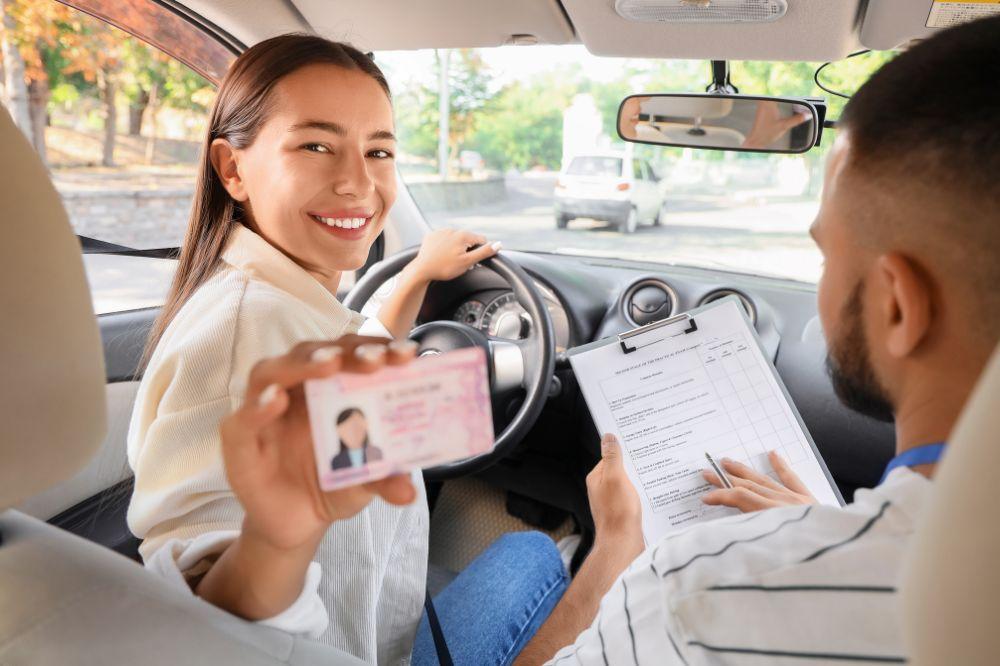

One of the first questions new drivers ask is simple. How many driving lessons do I actually need to pass the test in Australia?
There is no fixed number. It depends on your state, your age, your confidence and how often you practice. Some people pick it up fast while others need more time behind the wheel.
Still there are clear guidelines you can follow. Once you understand the requirements and what instructors recommend it becomes much easier to plan your learning.
State Requirements Across Australia
Australia does not follow one national rule. Each state has its own system for learner drivers.
In New South Wales you need 100 hours of supervised driving including 20 hours at night if you are under 25. You must also hold your learner licence for at least 12 months. If you are older than 25 the wait time drops to 6 months.
Victoria is a bit stricter for younger drivers. If you are under 21 you need 120 hours including 20 hours of night driving. Drivers over 21 do not have a set minimum but still need to hold the learner licence for at least 6 months.
Queensland requires 100 hours including 10 night hours for drivers under 25. Older learners again have no fixed hour requirement but must wait at least 6 months before the test.
Western Australia asks for 70 hours including 5 hours at night if you are under 25. This is one of the lower minimums compared to other states.
Tasmania requires 50 hours for drivers under 18 which is the lowest in the country.
States like South Australia ACT and Northern Territory do not set a strict hour target. Instead they focus on whether you can drive safely and confidently in real conditions.
So How Many Lessons Do You Actually Need?
While the government focuses on total hours it does not set a number for professional driving lessons.
That is where instructors come in.
For most beginners the general recommendation looks like this:
15 to 25 professional lessons if you are starting from zero
10 to 15 lessons if you already have some experience
5 to 10 lessons just for test preparation
This is only part of the picture. You will still need many hours of supervised practice with a parent or licensed driver.
So in reality it is not just about lessons. It is about total time spent driving.
What Driving Instructors Usually Suggest
Most instructors across Australia agree on one thing. A mix of lessons and practice works best.
If you are a beginner you should start with structured lessons. This helps you learn the basics the right way from day one.
Things like steering control parking and road awareness are easier to build early than fix later. After that you should combine lessons with regular practice.
Weekly driving helps you improve much faster than doing it once in a while.
Consistency matters more than rushing. A learner who drives every week will progress faster than someone who takes long breaks between sessions.
What Affects the Number of Lessons You Need
Not everyone learns at the same speed. A few factors make a big difference.
Age plays a role. Younger drivers often take longer because everything is new. Older learners sometimes progress faster because they understand road behaviour better.
Confidence is another big factor. If you are nervous you may need extra lessons to feel comfortable in traffic.
Practice frequency also matters. If you drive often between lessons you will need fewer paid sessions.
Location can change things too. Busy city driving takes more skill than quiet suburban roads. If your test area has complex intersections or heavy traffic you may need more preparation.
Understanding Logbook Hours
In most states you must log your supervised driving hours before you can take the test. These hours include driving with a parent instructor or any licensed supervisor who meets the rules.
You need to record details like time duration and type of driving. Night driving is also required in many states. The goal is to make sure you have experience in different situations. That includes highways, local streets, traffic conditions and night driving.
Logbook hours are not just a formality. They help you build real experience which is what actually prepares you for the test.
Why Professional Lessons Still Matter
Even though supervised driving covers most hours professional lessons play a key role. An instructor teaches you proper technique from the start. They correct mistakes early before they become habits. They also know exactly what examiners look for during the test.
Lessons are also structured. You move step by step instead of guessing what to practice next. On the other hand, supervised driving gives you more time on the road. It helps you gain confidence and get comfortable in real life situations.
Both are important. One builds skill and the other builds experience.
When Are You Ready for the Test
You are ready to book your test when driving starts to feel natural.
You should be able to follow road rules without thinking too much. You should handle traffic calmly and make decisions without hesitation.
Parking lane changes and turns should feel smooth. You should also be able to deal with unexpected situations without panic.
Most instructors will tell you honestly if you are ready or not. Many also offer a mock test so you can see how you perform under real conditions.
Average Lessons Needed to Pass
If we look at real learner data across Australia most people fall into a range.
Beginners usually take around 20 to 30 professional lessons
Learners with some experience take around 15 to 20 lessons
Full beginners who want extra confidence may go up to 30 plus lessons
Remember this does not include your supervised hours. Those are separate and often much higher.
Test Preparation Lessons
These lessons are focused only on passing the test.
You will practice common test routes. You will learn how scoring works. You will fix small mistakes that could cause failure.
Even confident drivers benefit from a few prep sessions. They help reduce stress and improve your chances on test day.
Finding the Right Instructor
Choosing the right instructor can save you time and money.
Look for someone experienced and patient. Check reviews if possible. Make sure they explain things clearly and give useful feedback.
Good instructors do not just teach driving. They prepare you for the test and help you build confidence.
If you are not sure where to start you can use ACOFEL to find verified instructors near you. It makes the process easier and connects you with professionals who understand local test routes.
You can also use ACOFEL to find a verified instructor and book your driving lessons today so you can start learning without delay.
Final Thoughts
There is no exact number of driving lessons that works for everyone. Most learners need a mix of 20 to 30 professional lessons along with regular supervised practice.
Focus on steady progress instead of rushing. The goal is not just to pass the driving test but to become a safe and confident driver.
With the right balance of lessons and practice you will get there sooner than you think.