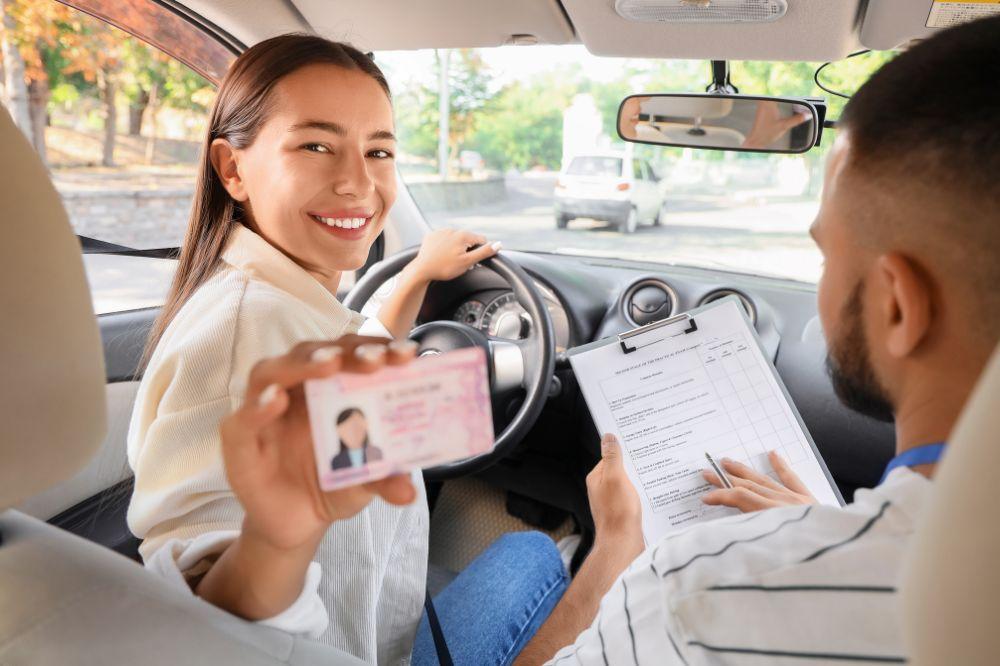

Passing your Australian driving test is the final step to earning your full licence, and knowing exactly what examiners expect makes preparation far more effective. The practical test assesses your ability to drive safely, obey road rules, and perform specific manoeuvres under real on-road conditions. Whether you are in NSW, Victoria, Queensland, or any other state, the core expectations remain consistent even though some details vary by jurisdiction.
We break down everything you need to know about driving test expectations Australia, the manoeuvres you will perform, and the most common mistakes that lead to failures.
How the Australian Practical Driving Test Works
The practical driving test usually lasts between 30 and 45 minutes for light vehicle licences such as C and LR classes. It is divided into two main parts:
Basic driving skills: Vehicle safety checks, starting and stopping smoothly, steering control, and using ancillary controls like blinkers and wipers
On-road assessment: Driving in real traffic, obeying speed limits, following signs, merging, gap selection, turning safely, and observing blind spots
Before the practical test, you must pass a written knowledge test on road rules and complete required log book hours (typically 120 hours including 20 night hours if you are under 21). Some states also require a hazard perception test before you book your practical assessment.
During the test, listen carefully to the examiner's instructions and ask questions if anything is unclear. Once the test starts, the examiner cannot answer questions that might influence your driving performance.
Key Road Rules You Must Follow on the Test
Examiners assess whether you can drive legally and safely while following all road rules. Common road rule areas tested include:
Road Rule Area
What Examiners Expect
Speed limits
Drive within the limit, not too slow or too fast
Stop signs
Come to a complete stop before the line
Traffic lights
Observe colour changes and filter arrows
Road signs
Respect no left turn, no entry, bus lane signs
Road markings
Do not cross solid white lines or stop on zig-zag lines
Signalling
Indicate correctly before turning, merging, or parking
Mirrors and shoulder checks
Use wing mirrors, check blind spots before moving off or turning
Poor observational skills at junctions have been the top offender for failed driving tests for over 10 years. Failure to spot motorbikes or cyclists when turning is a frequent cause of major faults.
Driving Test Manoeuvres Australia: What You Will Perform
Manoeuvres are a critical part of your assessment. You will be evaluated on your ability to perform them legally, safely, efficiently, and accurately.
Queensland (Q-SAFE Test)
In Queensland, you must perform at least two of the following six manoeuvres, and at least one must include a reversing component:
U-turn
Hill start
Reverse park (reverse parallel parking)
Reversing exercise
Turn around (three point turn)
Automatic gear change (for automatic cars only)
Examiners check nine car controls during pre-drive checks, including blinkers, wipers, and other ancillary controls.
New South Wales
The NSW driving test includes three manoeuvres:
Three point turn
Reverse parallel park
Kerb side stop (pulling over to the left side of the road, parking, turning off the engine, then pulling out safely)
For the kerb side stop, you must indicate left, perform a left shoulder check, stop, put the car in park, turn off the engine, then signal right for five seconds, do a right shoulder check, and pull out.
Across all states, common manoeuvre positions tested include reverse parallel parking, angle parking, and three point turns.
Common Driving Test Fails That Cost Learners Their Licence
Understanding common driving test fails helps you avoid the mistakes that throw learners off the path to passing. Based on assessment data and instructor reports, these are the most frequent reasons for failure:
Common Fail
Why It Leads to Failure
Poor observation at junctions
Top offender for 10 years; failure to spot cyclists or motorbikes
Not using wing mirrors
Major fault every time mirrors are skipped
Speeding or driving too slow
Going outside safe speed range
Not stopping completely at stop signs
Failing to halt before the line
Mounting the curb while parking
Indicates poor control during reverse parking
Poor steering control
Especially during parallel parking or reversing
Cutting corners when turning
Bad positioning at junctions
Driving too close to curb or cars
Misjudging vehicle width
Stalling or rolling back on incline
Poor control when moving off stationary
Crossing central line when turning right
Dangerous positioning error
In Queensland, you fail if you accumulate 9 or more non-critical driving errors, one specific repeated driving error, one critical driving error, or one general critical driving error such as examiner intervention, collision, or dangerous action.
Driving Test Checklist Australia: Your Preparation Roadmap
Use this driving test checklist Australia to ensure you are fully prepared:
Pass your written road rules test
Complete required log book hours (120 hours, 20 night if under 21)
Pass hazard perception test if required in your state
Practice all state-specific manoeuvres until confident
Master observation skills at junctions
Learn to use mirrors and perform shoulder checks consistently
Practice smooth starting, stopping, and steering
Obey all speed limits, signs, and road markings
Book your test only when you consistently pass practice drives
Consider driving test preparation lessons with a verified instructor
Book a Test-Prep Lesson with a Verified Instructor
If you want to pass your Australian driving test on the first attempt, working with a qualified instructor removes uncertainty and builds the exact skills examiners assess. We help learners across Australia prepare confidently for their driving test expectations Australia and master the manoeuvres and road rules that matter.
Book a test-prep lesson with a verified instructor through ACOFEL to get personalised guidance on driving test manoeuvres Australia and avoid the common driving test fails that cost so many learners their licence.
By understanding what to expect on your Australian driving test, mastering the required manoeuvres, and avoiding the most common fails, you position yourself for a successful first-attempt pass. Use this guide as your driving test preparation foundation and drive confidently toward your full licence.