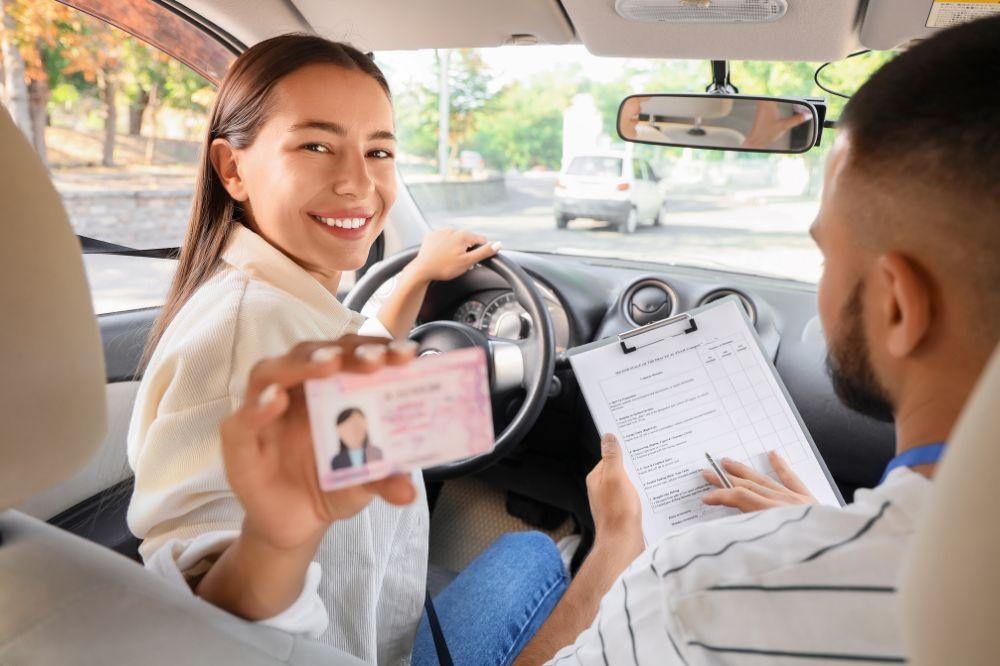

Passing your Australian driving test is a significant milestone that opens doors to independence and opportunity. Whether you're a new learner driver or someone preparing for their first official assessment, understanding the specific requirements in your state makes all the difference. Each Australian state and territory maintains its own licensing framework, test structure, and passing criteria. This detailed guide breaks down exactly what you need to know to succeed in your local driving test and become a certified license holder.
Understanding the Australian Driving Test Framework
The Australian driving test evaluates your practical skills, knowledge of road rules/ laws, and ability to drive safely under supervision. All states follow the national framework while maintaining regional variations in test duration, required maneuvers, and scoring systems. You must hold a learner's permit before booking your test, and most states require a minimum period of supervised driving experience.
Core Components Across All States
Every Australian driving test includes these essential elements:
Pre-test vehicle inspection: Demonstrating you can check your car's safety conditions
Basic driving maneuvers: Starting, stopping, turning, and parking
Road rule compliance: Following speed limits, signage, and traffic signals
Safe driving practices: Maintaining proper distances, observing hazards, and reacting appropriately
Practical road navigation: Driving in various conditions, including residential areas and main roads
State-by-State Driving Test Requirements
New South Wales
In NSW, the driving test lasts approximately 45 minutes and includes both on-road driving and specific maneuvers. You must demonstrate competence in lane changes, roundabouts, parking, and emergency stops. The test assessor scores your performance across multiple categories, and you need to meet the minimum passing threshold in each area. In NSW, learners must complete 120 hours of supervised driving, including 20 hours at night, before they can book their driving test.
Victoria
Victoria's driving test runs about 30 to 40 minutes and focuses heavily on independent driving decisions. You'll navigate through suburban streets, main roads, and potentially highway sections. The test includes parallel parking, three-point turns, and merging with traffic. Victorian learners must complete 120 hours of supervised driving with at least 20 hours at night. The pass mark requires you to score zero critical errors and stay within acceptable limits for all other assessments.
Queensland
Queensland's driving test lasts 35 to 45 minutes and emphasises hazard perception and safe decision-making. You'll perform lane changes, roundabouts, reversing maneuvers, and parking in designated areas. The state requires 100 hours of supervised driving for learners, including 10 hours at night. Queensland uses a point-based scoring system where certain errors carry higher penalties than others.
South Australia
South Australia's test duration is 30 to 40 minutes, covering residential areas, main roads, and potentially rural sections. Key maneuvers include parallel parking, reverse parking, and intersection navigation. Learners must complete 70 hours of supervised driving with 10 hours at night. The test assesses your ability to maintain safe speeds and respond to traffic conditions.
Western Australia
Western Australia's driving test runs 35 to 45 minutes and includes urban driving, highway sections, and specific maneuvers like three-point turns and parking. The state requires 500 hours of supervised driving for under-21 learners, including 20 hours at night. WA emphasises defensive driving techniques and hazard awareness throughout the assessment.
Tasmania
Tasmania's test lasts 30 to 40 minutes and covers residential streets, main roads, and hill driving. Required maneuvers include parking, reversing, and intersection handling. Learners need 50 hours of supervised driving with five hours at night. The test evaluates your comfort with varied terrain and road conditions.
Australian Capital Territory
ACT's driving test runs 35 to 45 minutes and includes suburban driving, main roads, and highway sections. You'll perform parking maneuvers, lane changes, and roundabout navigation. The territory requires 100 hours of supervised driving for learners. ACT focuses on independent driving decisions and road rule knowledge.
Northern Territory
Northern Territory's test lasts 30 to 40 minutes and covers urban areas, main roads, and potentially rural sections. Key maneuvers include parking, turning, and merging. Learners must complete 50 hours of supervised driving. NT emphasises adaptation to varying road conditions and traffic density.
Essential Driving Test Tips for Australia
Thorough preparation before your test significantly increases your chances of passing. Practice regularly in the same type of vehicle you'll use for the test, ensuring you're comfortable with its controls and dimensions. Focus on mastering the specific maneuvers required in your state while building confidence in everyday driving situations.
Key Areas to Master
Lane positioning: Maintain consistent centre-lane driving without drifting
Speed management: Stay within limits and adjust appropriately for conditions
Mirror usage: Check mirrors before every maneuver and signal intention early
Hazard recognition: Identify potential risks and respond proactively
Parking precision: Execute parallel and reverse parking smoothly within boundaries
Common Mistakes That Cost Points
Avoid these frequent errors that lead to test failures:
Failing to check mirrors prior to turning or changing lanes
Exceeding speed limits even slightly
Failing to come to a complete stop at red lights or stop signs.
Poor maintenance from other vehicles
Incorrect roundabout entry and exit procedures
Nervous overcorrection during parking maneuvers
Building Confidence Through Practice
Regular practice with a qualified instructor helps you develop the skills and confidence needed for test success. Professional instructors provide objective feedback, identify weak areas, and teach proven techniques for handling difficult situations. They also simulate test conditions to reduce anxiety and build familiarity with the assessment format.
We recommend booking at least 10 to 15 practice sessions with a certified instructor before your official test. These sessions should cover all maneuvers required in your state while emphasising safe driving habits and road rule compliance. Consistent practice helps in building muscle memory and reduces the stress of performing under evaluation.
Final Checklist Before Your Test
Verify these items before heading to your driving test appointment:
Your learner's permit is current and valid
The test vehicle has registration, insurance, and functioning safety equipment
All mirrors, lights, and brakes work properly
You've practised all the required maneuvers recently
You arrive 15 minutes early to complete paperwork
You wear comfortable clothing and shoes for driving
You bring the required identification documents
Your Path to Licensing Success
Passing your Australian driving test requires preparation, practice, and confidence in your abilities. Each state has specific requirements, but the core principles of safe driving remain consistent across all regions. Focus on mastering local maneuvers, understanding road rules, and developing habits that prioritise safety over speed.
Finding the right support makes all the difference in your test outcome. Professional instructors provide the guidance, feedback, and structured practice necessary to succeed.
Find a verified instructor to help you ace your test
By following state-specific guidelines, practising consistently, and building confidence through professional instruction, you'll be well-positioned to pass your Australian driving test on your first attempt. Remember that safety, awareness, and calm decision-making are what test assessors look for most.
Australian driving test guide provides additional resources for learners across all states.