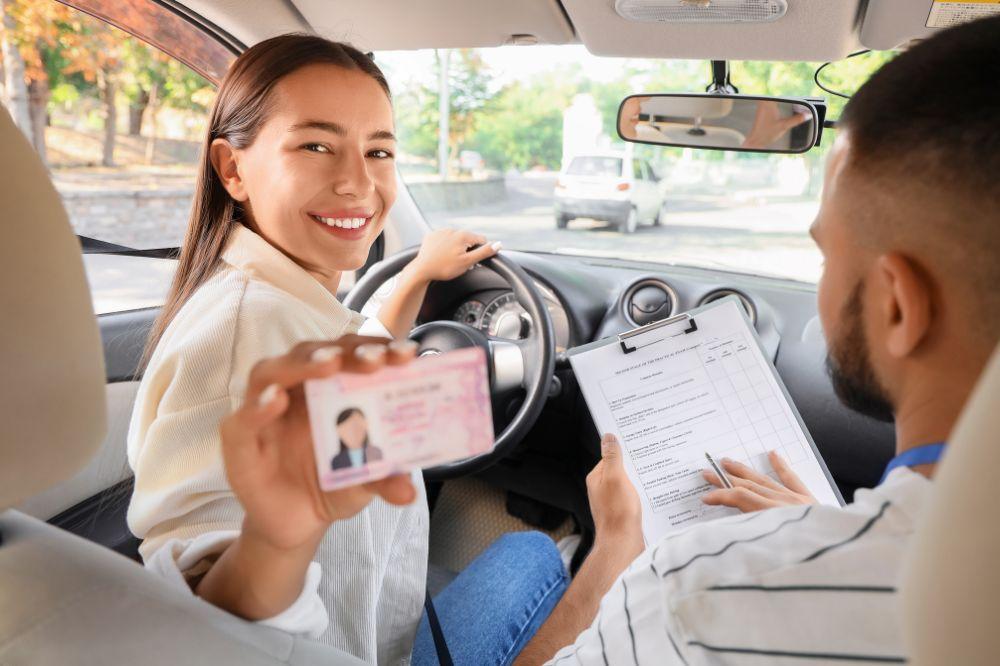

Learning to drive is a major milestone that opens up independence and opportunity across Australia. Whether you are a teenager getting your first licence or an adult learning to drive for work or personal reasons, choosing the right driving school makes all the difference in your safety and confidence on the road. The Australian driving market offers many options, but not all schools provide the same quality of instruction or meet the same standards.
We have compiled this detailed guide to help you navigate your options and select a driving school that truly meets your needs. By checking these 10 essential factors, you will find accredited instruction that prepares you for real world driving situations and helps you pass your licensing tests.
1. Check Accreditation and Official Certification
The first and most critical factor is whether the driving school holds proper accreditation from the relevant state or territory transport authorities. In Australia, driving instructors must be certified by their state transport department. For example, Victoria requires instructors to be registered with VicTransport, while Queensland uses Queensland Transport, and New South Wales requires NSW Transport certification.
An accredited driving school ensures that instructors have completed mandatory training, hold valid licences, and follow approved teaching methodologies. This accreditation protects you from unqualified instructors who might teach unsafe practices. Always ask for proof of accreditation before booking lessons.
2. Verify Instructor Qualifications and Experience
Beyond basic accreditation, examine the specific qualifications of the instructors who will teach you. Look for instructors who have several years of experience teaching students at your skill level. Experienced instructors understand common learning challenges and know how to adjust their teaching approach to match your pace.
Ask about their background including how many students they have successfully taught to licence, whether they specialise in certain areas like highway driving or emergency manoeuvres, and if they hold additional certifications in defensive driving or first aid. A qualified instructor should comfortably discuss their teaching philosophy and experience.
3. Read Genuine Driving Lesson Reviews
Customer reviews provide valuable insight into what actual students experience at a driving school. Look for reviews on independent platforms like Google, Facebook, or specialised review sites rather than only testimonials on the school website. Pay attention to reviews that mention specific details about instruction quality, patience, professionalism, and success rates.
Be wary of schools with no reviews or only vague positive comments. Genuine reviews often mention instructor names, specific lessons, and honest feedback about strengths and weaknesses. Look for patterns across multiple reviews rather than focusing on isolated comments.
4. Understand the Lesson Structure and Curriculum
A quality driving school should offer a clear, structured curriculum that progresses logically from basic skills to advanced driving. The curriculum should cover essential topics including vehicle control, road rules, hazard perception, highway driving, parking manoeuvres, and night driving. Ask for a detailed syllabus before committing.
The best programs balance theory education with practical on road training. Some schools offer combined packages that include online learning modules plus in car lessons. Ensure the lesson structure matches your learning goals and the specific licence requirements in your state.
5. Check Vehicle Safety and Condition
The vehicles used for training should be modern, well maintained, and equipped with proper safety features including dual controls, airbags, and anti lock braking systems. Ask about the age of the fleet and whether vehicles undergo regular safety inspections.
Training vehicles should be clean, comfortable, and appropriate for the type of driving you will learn. Dual control systems allow instructors to intervene safely if a student makes a dangerous mistake. Never accept lessons in vehicles that appear worn or unsafe.
6. Compare Pricing and Package Options
Driving lesson costs vary significantly across Australia. Get detailed pricing information including what each lesson includes, the duration of lessons, and any additional fees for assessment or certificate issuance. Compare packages that offer multiple lessons at discounted rates versus single lesson pricing.
Be transparent about your budget and ask about payment flexibility. Some schools offer pay as you go options while others require package purchases upfront. Remember that the cheapest option may not provide the best value if instruction quality is poor. Look for schools that offer clear pricing without hidden costs.
7. Assess Availability and Location Convenience
Practical considerations matter when choosing a driving school. The school should offer scheduling flexibility that works with your timetable including weekends, evenings, or flexible hours if you work or study. Check whether they provide lessons in your suburb or if you need to travel significant distances.
Many schools now offer pickup services from your home or a convenient location. This convenience reduces stress and makes it easier to attend lessons regularly. Confirm the school serves your area before booking.
8. Ask About Test Preparation and Pass Rates
A good driving school should actively prepare students for their official licensing tests. Ask whether they offer mock tests, assessment sessions, or specific test preparation lessons. Instructors who know the local test routes and criteria can provide targeted preparation that increases your chances of passing.
Request information about the school's student pass rates if available. Schools with high pass rates demonstrate effective teaching methods and thorough preparation. However, remember that pass rates also depend on individual student effort and practice.
9. Evaluate Communication and Professionalism
From your first contact, assess how the school communicates with you. Professional driving schools respond promptly to inquiries, provide clear information, and treat customers respectfully. Good communication continues throughout your lessons with instructors who explain concepts clearly and provide constructive feedback.
Look for schools that make you feel comfortable asking questions and expressing concerns. A supportive learning environment where you feel respected leads to better outcomes.
10. Check for Additional Services and Support
Many driving schools offer valuable additional services beyond standard lessons. These might include nervous driver programs, refresher courses for licensed drivers, highway driving intensive packages, or crash recovery training. Some schools provide study materials, road rule books, or access to online learning resources.
Consider whether these additional services match your needs. A school offering comprehensive support shows commitment to student success beyond just selling lesson packages.
Making Your Final Decision
After checking these 10 factors, you should have enough information to compare schools objectively. Create a simple comparison sheet listing each school and how they perform on each criterion. The best driving school for you balances quality instruction, proper accreditation, reasonable pricing, and convenience.
Always remember that learning to drive is an investment in your safety and independence. Choosing carefully now prevents costly mistakes and ensures you develop proper driving habits that last a lifetime. We recommend booking a trial lesson with your top choice before committing to a full package so you can experience the instruction quality firsthand.
Find the best driving school near you by visiting ACOFEL and connecting with verified instructors who meet all these standards. Search verified instructors in your suburb to start your journey toward safe, confident driving on Australian roads.